
The complete guide
Choosing a Cordless Hedge Trimmer for Regular Garden Care
When hedge care becomes a bigger job than it should
A hedge can look untidy long before it needs heavy pruning. Fresh shoots spread across a path, the top loses its line, and a few uneven patches make the whole border look neglected. Hand shears can handle small touch-ups, but a long hedge asks for more time and effort.
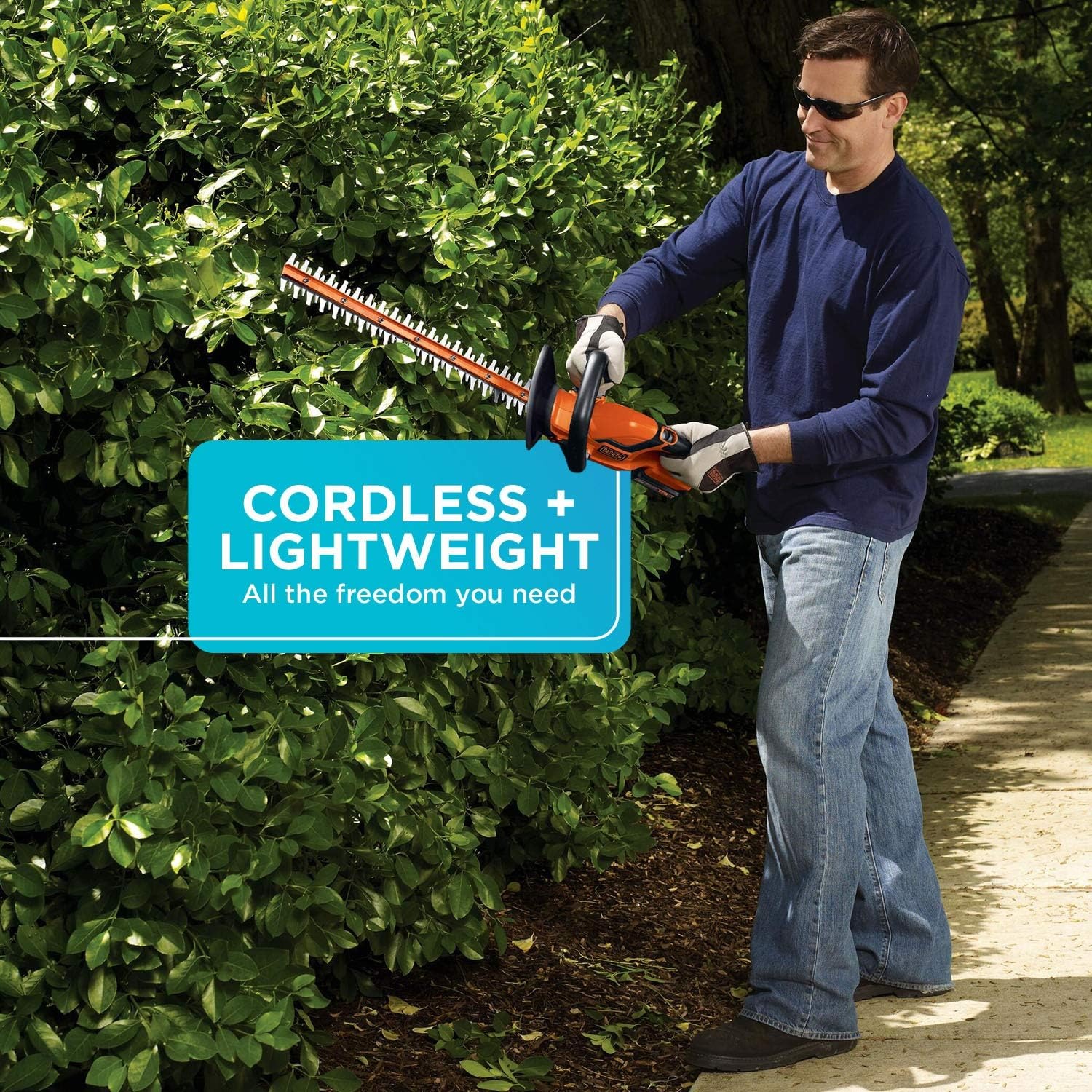
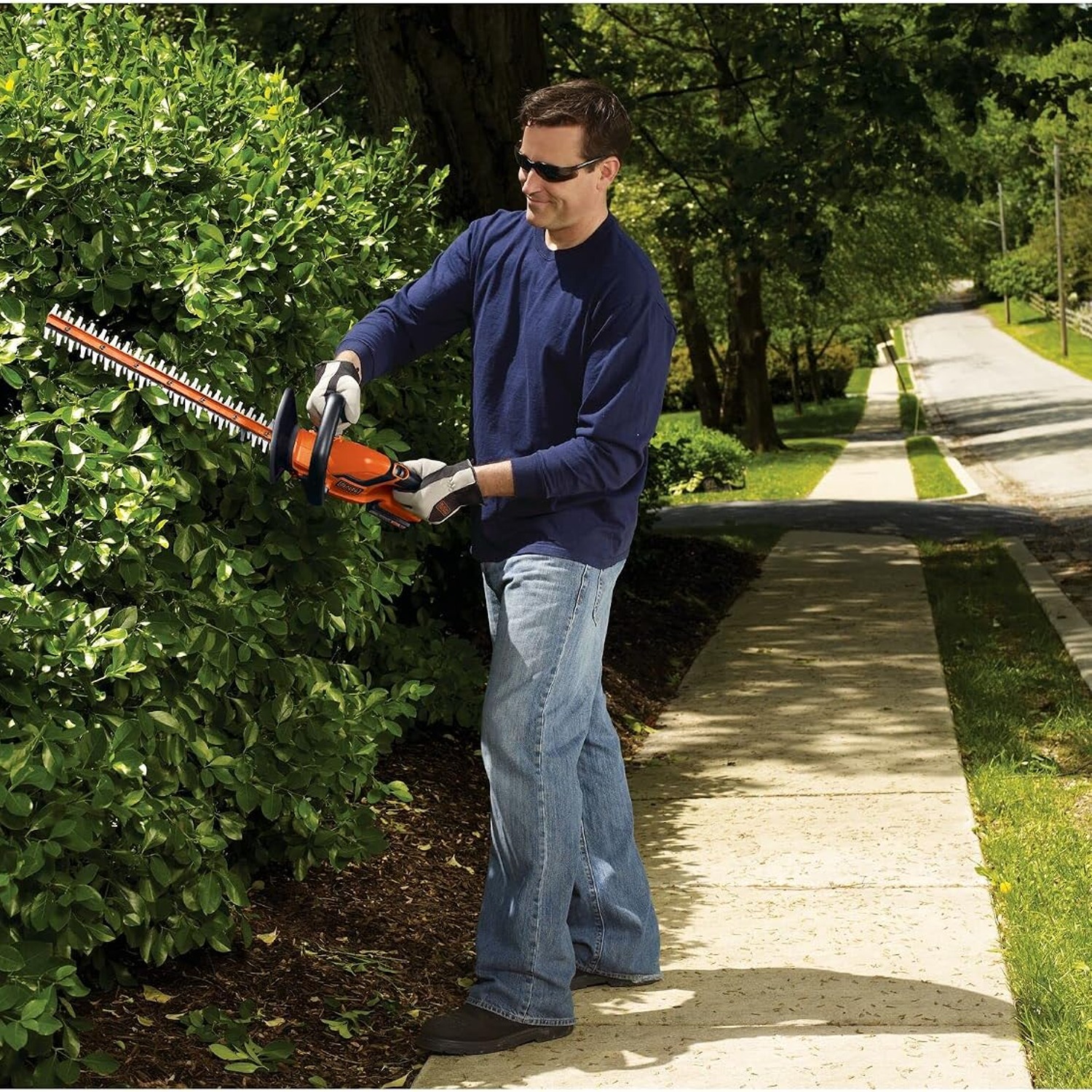
A cordless hedge trimmer offers another way to manage that routine growth. You can move between planting areas without dragging an extension lead behind you. The important part is choosing a tool that fits the hedge, rather than expecting one cutter to handle every garden job.
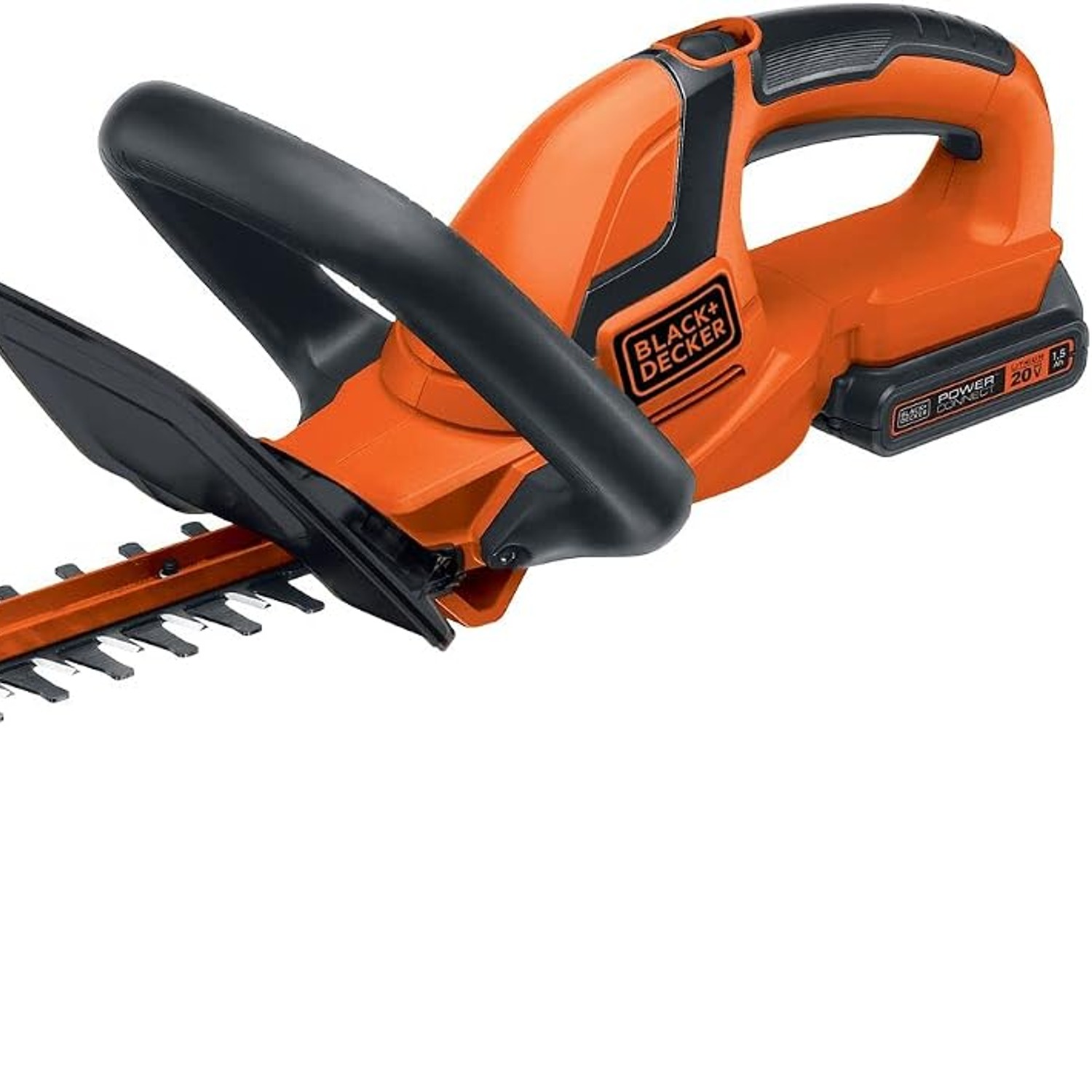
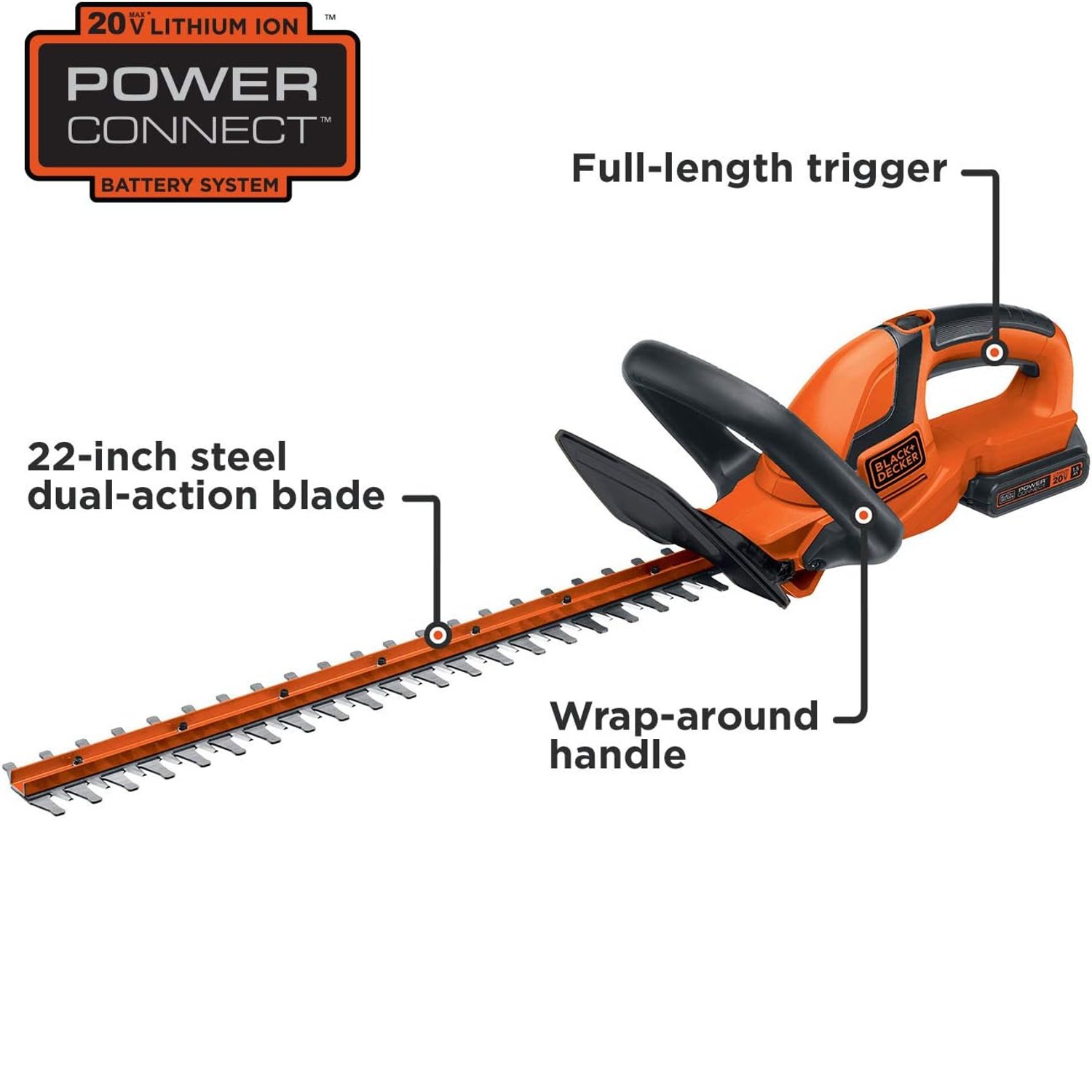
The BLACK+DECKER LHT2220-CA combines a 22-inch blade with a 20V MAX lithium-ion battery. It comes with a battery and charger, making it worth considering if you want a kit rather than a bare tool.
What this kit includes
The supplied items are an LHT2220 hedge trimmer, one LBXR20 20V MAX lithium-ion battery and one LCS20 charger. That gives you the core parts needed to power the tool, subject to checking the charger against your local electricity supply.
Do that check before ordering. Charger input voltage and plug type are not specified in this record. A model name alone is not enough to confirm that a charger will work safely in every country.
Battery capacity and charging time are also not listed. If you plan to trim a large garden in one session, those missing details are worth asking about. Knowing what comes in the box is helpful, but knowing how it fits your working day matters just as much.
How the blade works
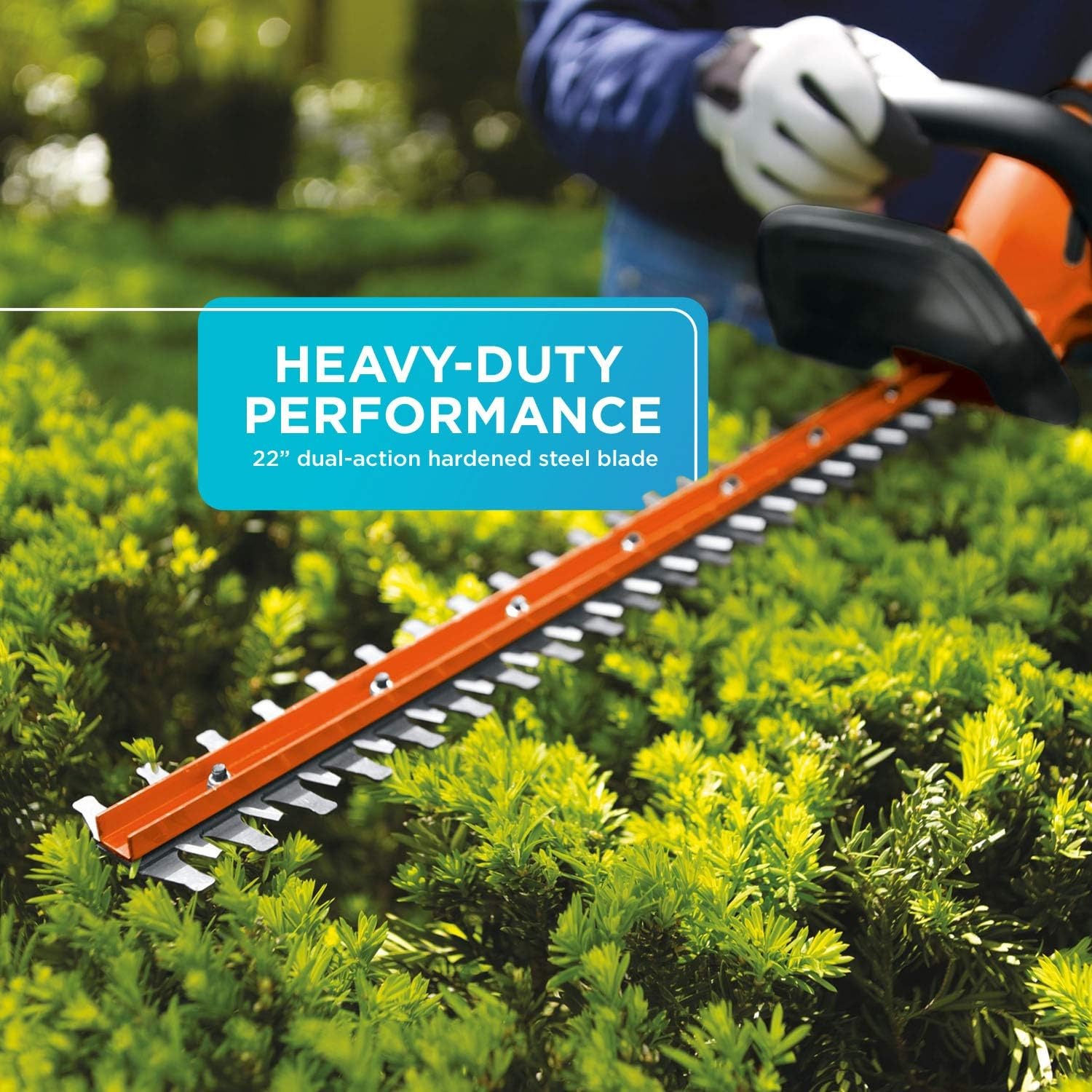
This model uses a dual-action blade. Its moving cutting edges trim growth as you guide the tool along the hedge. The blade length is 22 inches, which gives you a broad cutting span for working across hedge faces.
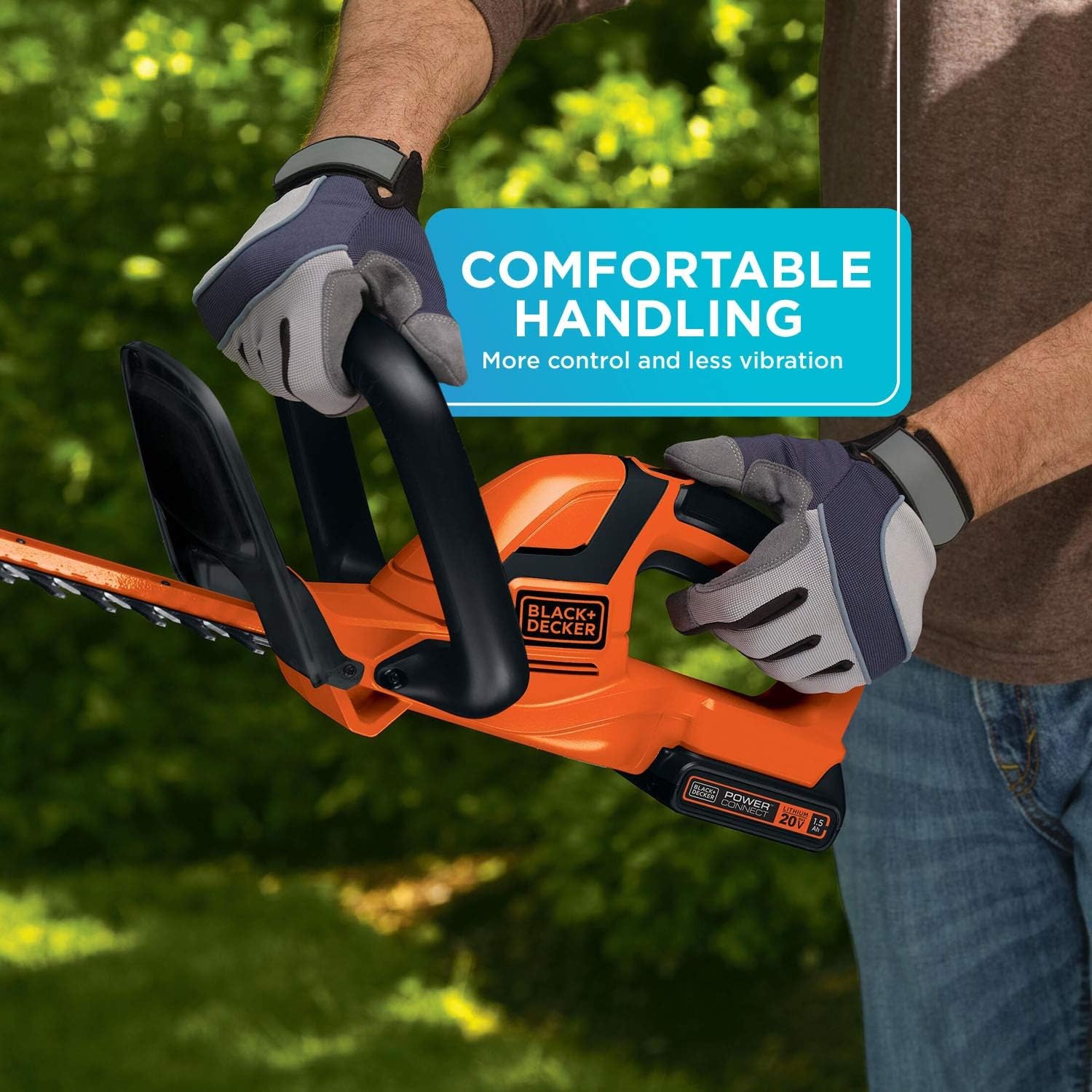
The supplier reports up to 40% less vibration than BLACK+DECKER single-action blade models. This is a specific comparison, not a claim that the tool has no vibration. A comfortable working position and regular breaks still matter.
The full-length trigger, soft grips and wraparound front handle are useful handling features. They do not replace safe technique. Read the supplied manual before the first cut and keep your hands in the positions it specifies.
A dual action hedge trimmer can help with repeat shaping, but it should not be pushed through growth that is too thick.
Match branch thickness before blade length
The stated maximum branch thickness is 3/4 inch. This is one of the most useful figures when deciding whether the tool suits your garden.
Look inside the hedge, not just at the soft shoots on its surface. A hedge that has missed several trims may hide thicker woody branches beneath fresh leaves. Those branches can turn what looks like a shaping job into a pruning job.
Use a suitable pruning tool for growth beyond the trimmer's limit. Do not keep forcing the blade against a branch that it cannot cut.
Also, keep the measurements separate. The listed 22-inch cutting width is not branch capacity. It describes the cutting span, while the 3/4-inch figure describes the stated maximum branch thickness. Mixing up those two numbers can lead to choosing the wrong tool.
Consider the shape and height of your hedge
A 22 inch hedge trimmer is worth comparing when you have broad hedge faces to maintain. Blade length can help you cover a section with fewer overlapping passes, but longer reach is useful only while you remain in control.
Think about how you will reach the top and far side. If the hedge requires you to lean, stretch or work above a comfortable height, a standard handheld trimmer may not be the right choice.
Plan to work from stable footing. Do not treat the blade length as permission to reach further than you safely can.
For small shaped shrubs, look at the detail you want to preserve. A broad blade may need more care around tight curves or narrow sections. The right hedge shaping tool should suit both the size of the planting and the finish you want.
Make sense of the battery coverage claim
The supplier states up to 3,000 square feet of actual hedge trimming per charge. That gives a coverage estimate, but it does not tell you a fixed number of working minutes.
Growth thickness, hedge condition and working method can affect how much you finish. A light tidy-up and a cut through dense growth are different tasks, even if the hedges occupy a similar space.
Treat the stated figure as an upper coverage claim rather than a promise for your garden. It is not enough on its own to plan a large job down to the last minute.
For a rechargeable hedge trimmer, charging time is part of the buying decision too. Since that figure is not given here, confirm it if waiting between sessions would be a problem.
Check whether the battery fits your other tools
The supplier describes the included battery as interchangeable with compatible BLACK+DECKER 20V tools. If you already own tools from that range, shared batteries may be a useful reason to consider this model.
Check the exact tool and battery details, rather than relying on the brand name or voltage alone. Compatibility should be confirmed for each tool you plan to use.
If this is your first BLACK+DECKER 20V MAX hedge trimmer, focus on the included kit first. Decide whether its blade size and branch capacity suit your hedge before thinking about future purchases.
A shared battery system is helpful only when the individual tools also fit the jobs you need them to do.
Think about handling, not just specifications
The supplier product details list dimensions of 91.44 x 19.69 x 17.02 cm and a weight of 3.1 kg. The record does not clarify whether that weight includes the battery.
That uncertainty matters if tool weight is a main concern. Ask for confirmation rather than assuming the listed figure describes the exact setup you will hold.
Soft grips and the wraparound front handle may help with handling, but comfort is personal. Your strength, reach and the length of each session all play a part.
Start with a manageable section and pause before fatigue affects control. A battery powered hedge cutter removes the trailing lead, but you still need to watch your footing and keep the cutting area clear.
Prepare the hedge and work area
Before starting, inspect the hedge for hidden wire, supports and other objects. Check for wildlife and avoid disturbing active nests. Clear loose items from the ground so you can move without stepping over clutter.
Keep other people and pets away from the work area. Read the manual for protective equipment and operating instructions, including how to stop the tool safely.
Look at the plant itself as well. Different hedges respond to pruning at different times, and a tidy outline is not worth damaging healthy growth.
Decide how much you intend to remove before switching on. Work in controlled passes rather than trying to take off a large amount at once. If the job changes from shaping to heavy cutting, stop and reassess the tool.
Keep cleaning and storage simple
After use, switch off the trimmer and remove the battery before cleaning or inspection. Never reach into the blade area while the tool is powered.
Clear plant debris carefully, then follow the manufacturer instructions for blade cleaning and lubrication. Avoid guessing which cleaning products or lubricants are suitable.
Inspect the cutting parts and guards before the next session. Damage should be checked before the tool goes back into use.
Store the trimmer, battery and charger somewhere dry and away from children. Follow the battery instructions for storage conditions. A little care after each job helps keep the tool ready for its next inspection and avoids leaving debris around sharp cutting edges.
The short version
This cordless hedge trimmer kit pairs a 22-inch dual-action blade with an included 20V MAX battery and charger. Its stated branch capacity is 3/4 inch, and its handling features include soft grips and a wraparound front handle.
It is worth considering for routine hedge shaping where you can work comfortably from safe footing. Before buying, confirm charger suitability, any battery details you need and the limited warranty terms. Choose it for the growth you actually trim, not for a heavier pruning job you hope it might manage.